
Metal Price Index
Metal prices—especially aluminum and steel—have a direct and often immediate impact on the cost of aluminum beverage cans, can ends, and steel food cans because metal is the largest cost component of these packages. Prices for aluminum and steel are largely referenced to global metal exchanges, most notably the London Metal Exchange (LME) for aluminum (and related products) and, indirectly, for steel through indices tied to hot-rolled coil and tinplate, which are influenced by iron ore and scrap markets. The LME publishes prices that change continuously during trading hours, reflecting real-time supply and demand, macroeconomic conditions, energy costs, geopolitical risk, currency movements (especially the USD), and inventory levels; these prices are then averaged over a month or quarter and used as a benchmark in packaging contracts. Can makers typically price finished goods using a metal index pass-through model, where the base metal price (e.g., LME aluminum) is passed directly to the customer, while conversion costs (forming, coating, ends, logistics, margin) are added on top—meaning changes in LME flow quickly into can and end prices. Steel food cans work similarly, though pricing is often more regionally negotiated and less transparent than aluminum, with tinplate prices adjusted periodically based on mill announcements and raw material trends rather than daily exchange trading. In terms of market trend, aluminum and steel prices have become more volatile in recent years due to energy price sensitivity, decarbonization pressures, supply chain disruptions, and demand swings from beverage, food, and automotive sectors; forward-looking forecasts generally expect continued volatility rather than stable decline, with sustainability costs, recycling demand, and geopolitical uncertainty keeping prices structurally higher and more dynamic than in the past.
Resources:
https://www.lme.com/markets/metals
https://www.lme.com/en/Metals/Non-ferrous/LME-Aluminium
New Content Monthly
Market Updates
New Content Monthly Market Updates
What You’ll Hear From Us

New Packaging Innovation
We provide updates on the latest advancements in packaging innovation, including sustainable materials, functional designs, and technological developments that enhance product performance and appeal.

Metal Hedging Strategies
We provide insights into metal hedging strategies, covering market trends, risk management techniques, and financial tools designed to protect and optimize commodity investments.

Tariff and Policies
We keep you informed on tariffs and trade policies, providing analysis of regulatory changes, market impacts, and strategic implications for businesses and industries.
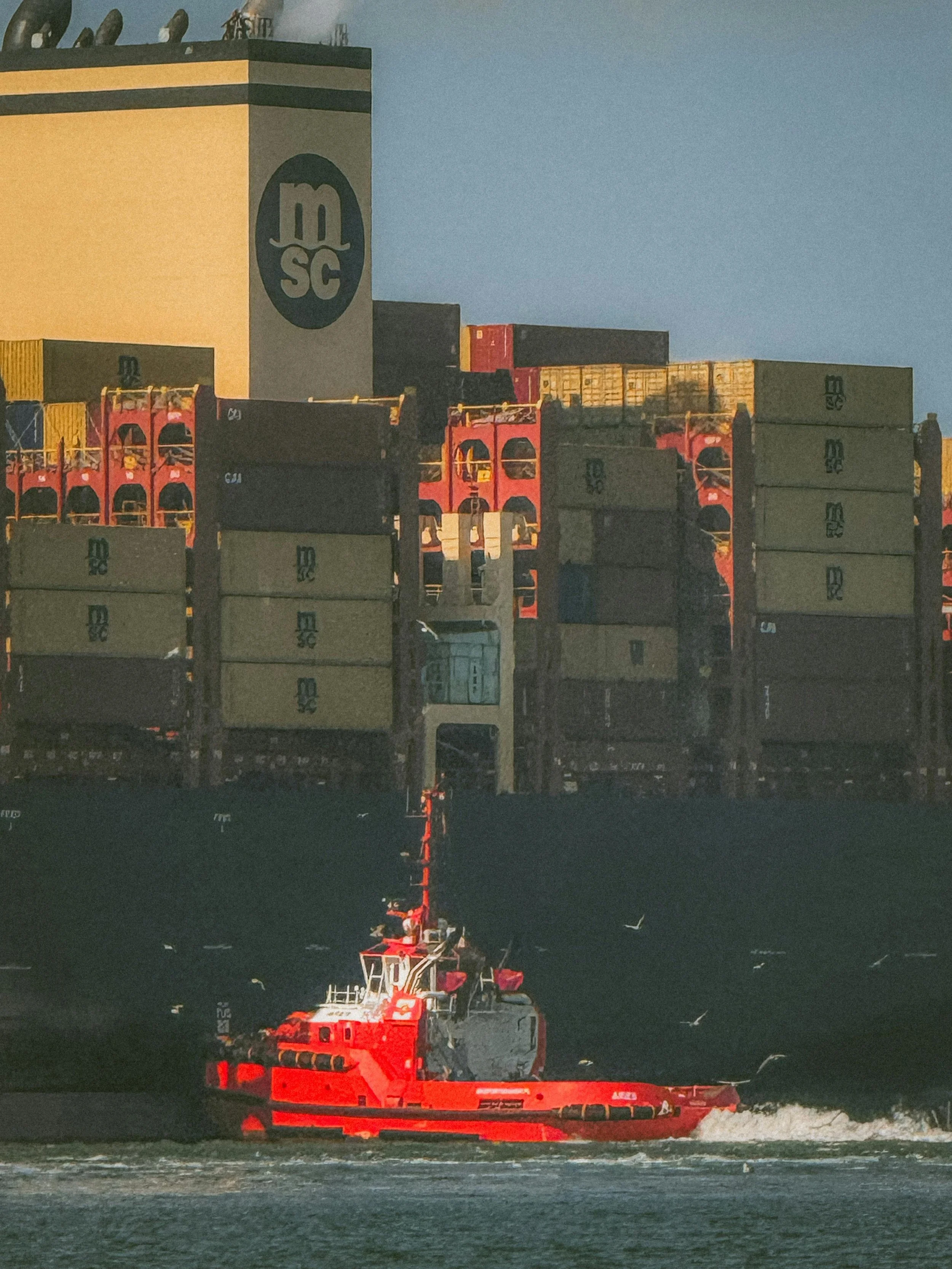
Ocean Rates
Get transparent, competitive ocean freight rates for FCL and LCL shipments worldwide. Plan smarter, ship faster, and manage your cargo with confidence.
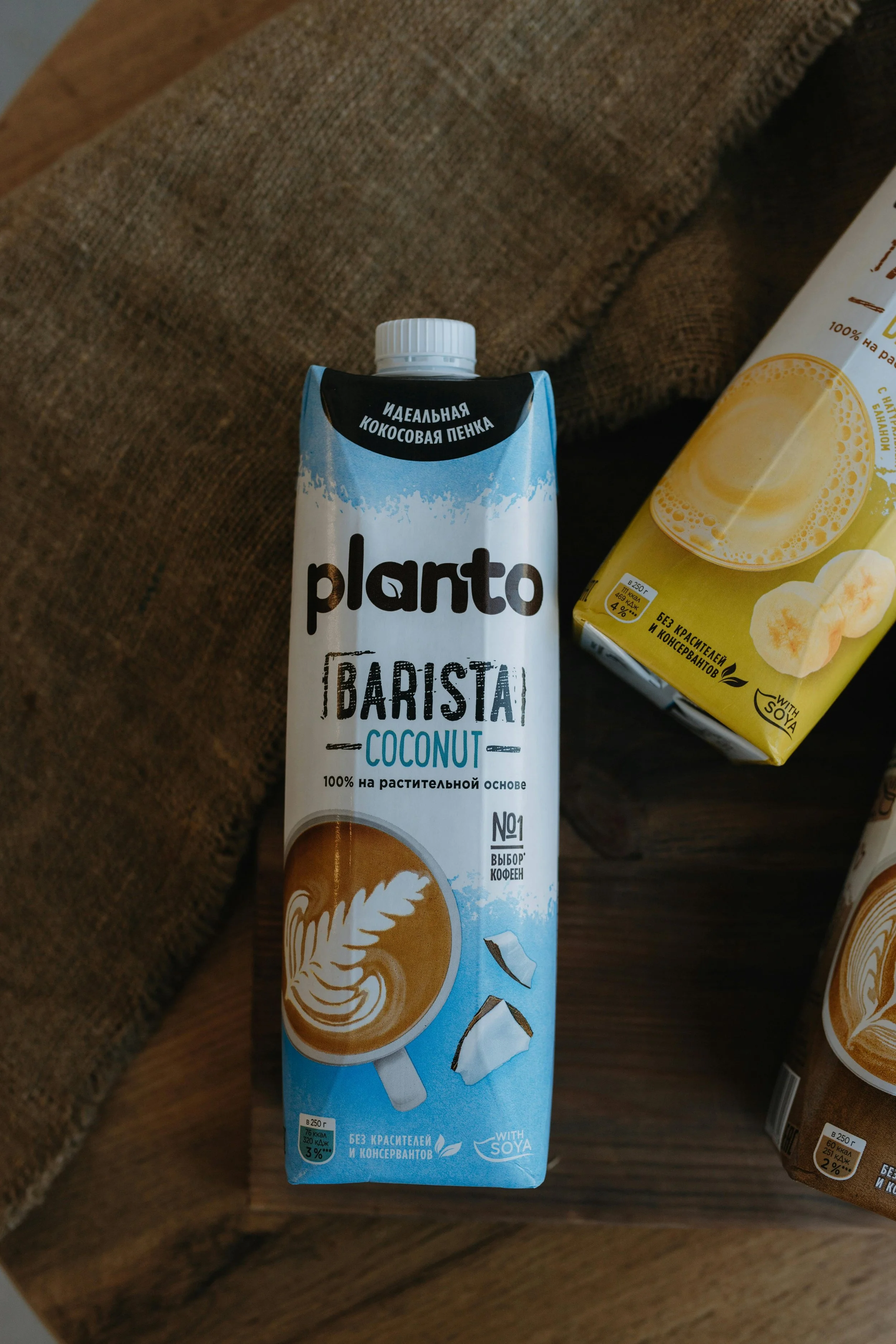
SIG vs Tetra Pak:
SIG and Tetra Pak are the two leading suppliers of shelf-stable carton packaging, providing multilayer cartons designed to protect liquid food and beverages without refrigeration. Both systems use paperboard, polymer layers, and aluminum foil to achieve long shelf life, but they differ in technology, machine design, flexibility, and commercial approach. Tetra Pak offers a highly integrated ecosystem combining processing equipment, filling machines, packaging material, and technical services, making it ideal for large-scale, high-volume producers seeking stability and consistency. SIG, in contrast, focuses on packaging and filling technology with more flexible systems, faster format changes, and greater freedom in carton design, which suits co-packers, multi-SKU production, and innovative beverage portfolios. The cost of shelf-stable carton packaging is primarily driven by carton material prices—especially aluminum (indexed to LME prices)—along with paperboard, polymer layers, and energy. Additional variables include conversion and printing costs, machine and equipment amortization, maintenance and consumables, logistics, and design complexity, all of which can affect the final price per unit. Tetra Pak systems tend to have higher fixed equipment and service costs but offer efficiency at large scale, whereas SIG’s flexible systems can reduce costs for lower-volume, multi-format operations.
Resources:
https://fred.stlouisfed.org/series/WPU09150336
https://www.census.gov/industry/pulp-paper.html
https://www.federalreserve.gov/data.htm

PET Packaging
The cost of PET (polyethylene terephthalate) packaging is primarily driven by the price of raw materials, particularly terephthalic acid (PTA) and monoethylene glycol (MEG), which are derived from petroleum and natural gas. As a result, oil and energy prices are the dominant factors affecting PET resin costs. Other significant cost variables include manufacturing and conversion costs (extrusion, blow-molding, injection molding), additives and colorants, packaging design complexity, equipment amortization, and logistics. PET prices are influenced by global supply-demand dynamics, regional resin production capacities, and geopolitical factors affecting crude oil markets. To track PET resin and raw material price trends, official government and statistical resources such as the U.S. Energy Information Administration (EIA) for crude oil and natural gas (https://www.eia.gov/) and the U.S. Bureau of Labor Statistics – Producer Price Index (PPI) for plastics materials and resins (https://fred.stlouisfed.org/series/WPU061) provide reliable historical and current data. Using these indices, companies can model PET resin cost fluctuations and forecast impacts on bottle and preform pricing.